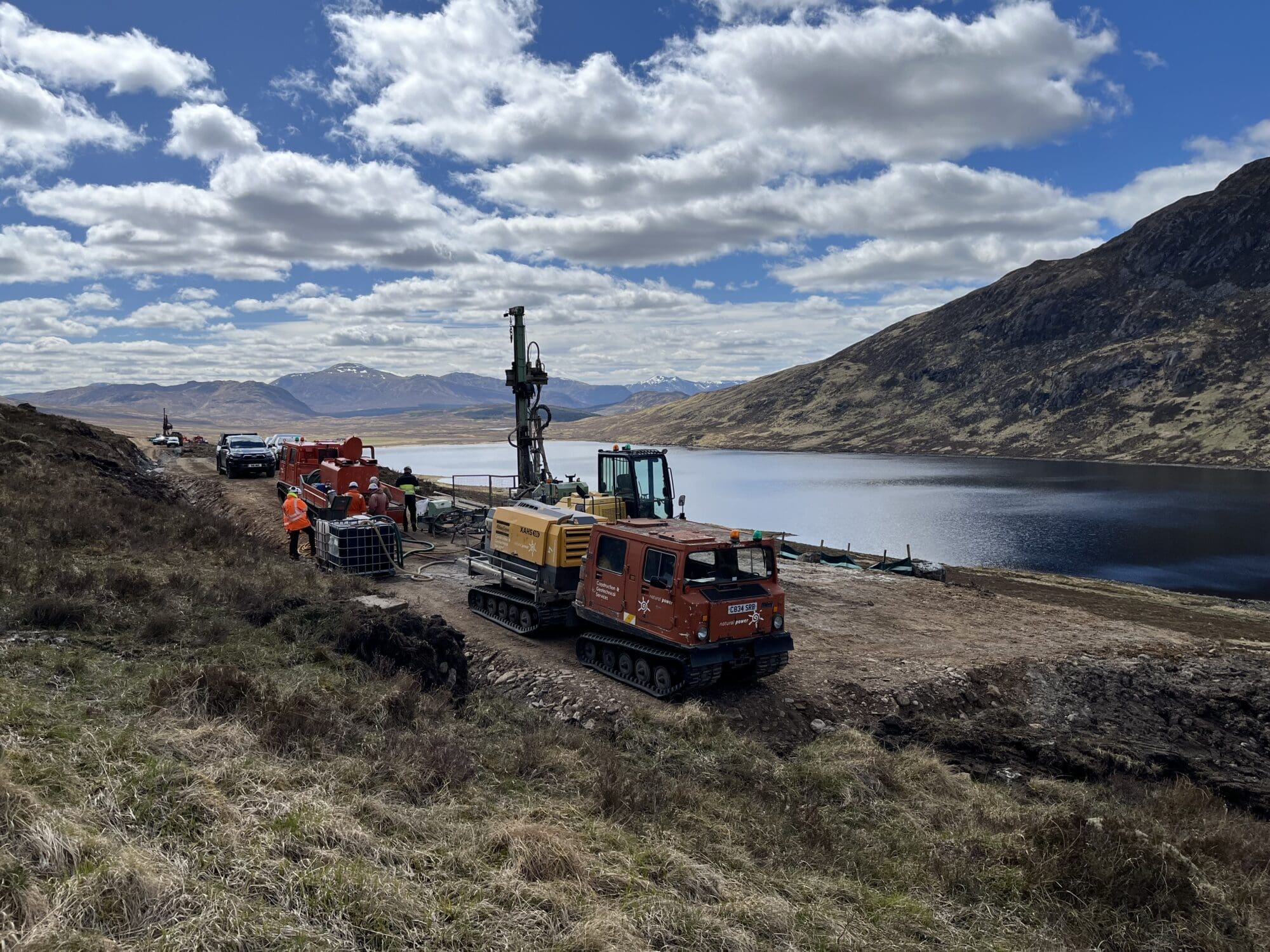
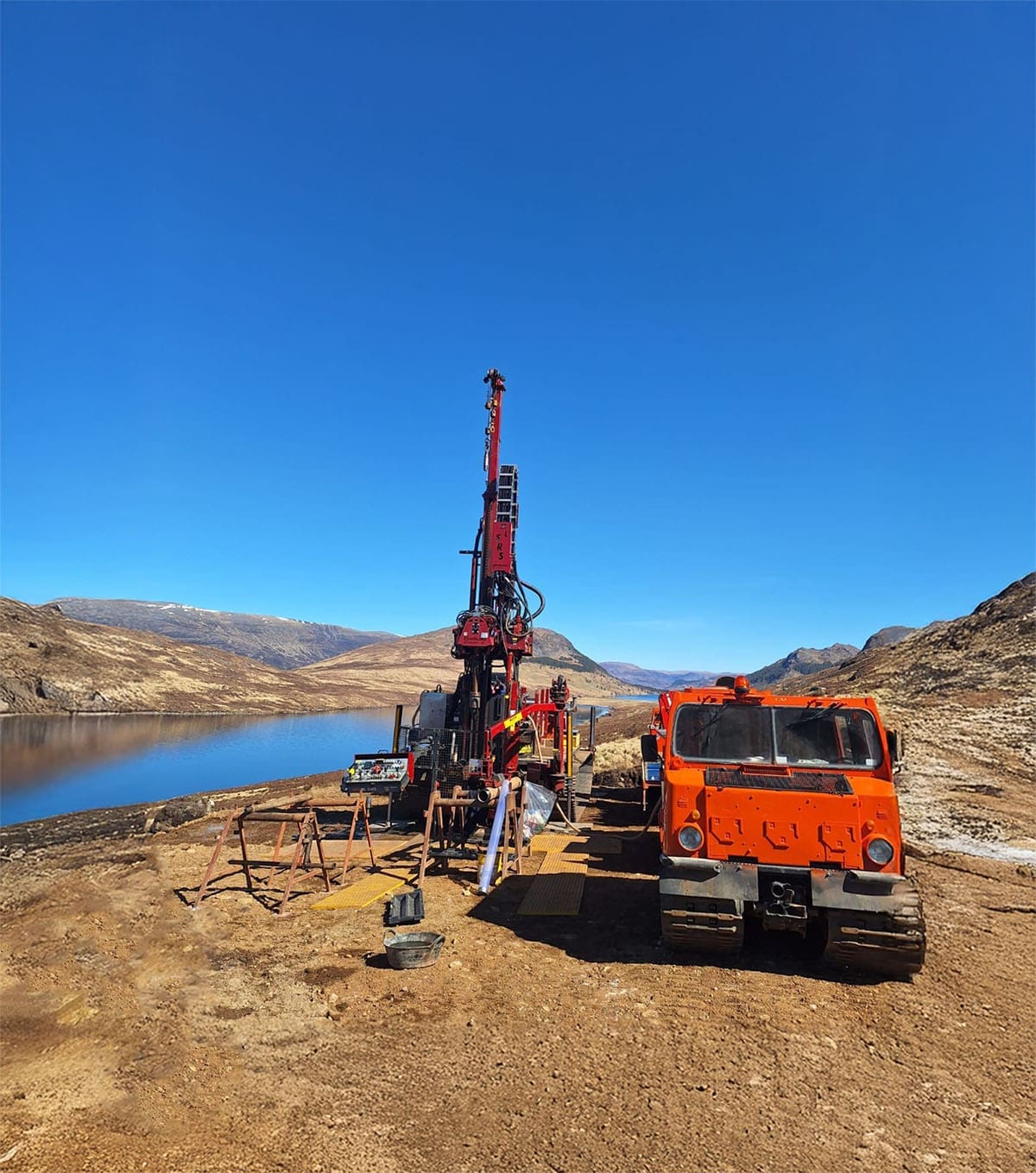
The Earba Storage Project is a proposed pumped storage hydro (PSH) scheme with an installed capacity of 1,800 MW and a storage capacity of 40,000 MWh, making it the largest project of its kind in the UK. Yesterday we formally submitted the project into Ofgem’s ‘Super Battery’ Cap & Floor support scheme.
Commenting on today’s announcement, Carl Crompton, Managing Director of Gilkes Energy said:
“We are pleased to announce that our flagship pumped storage hydro project, Earba, has now been formally submitted to Ofgem’s Super Battery Cap & Floor support scheme.
Earba is the largest pumped storage hydro project ever consented in the UK. With an installed capacity of 1.8 GW and 40 GWh of storage, it can provide 22 hours of full-power operation.
Earba has now entered the multi-criteria assessment (MCA) process, where Ofgem and the National Energy System Operator (NESO) will select a small number of LDES projects to receive a cap and floor contract in mid-2026. The MCA scores projects across several criteria, including deliverability, value for money, and wider societal benefits such as reduced consumer costs and lower system balancing charges. Earba is expected to perform strongly thanks to its scale, long 22-hour duration, and favourable location and topography, which enable a highly competitive capital cost. Our latest analysis demonstrates that the project will operate consistently above the floor – an important factor for Ofgem, as it demonstrates strong value for money for consumers.
As the UK energy system transitions from fossil fuels to intermittent solar and wind, the need for energy storage is growing rapidly. Storage is now essential for integrating more renewables, strengthening energy security, and accelerating progress toward Net Zero. Long Duration Energy Storage (LDES), in particular, provides major system and consumer benefits by reducing wind curtailment costs, which are ultimately passed on to consumers, and lowering dependence on costly gas generation.
Earba’s long storage duration means it will maintain high levels of flexibility, as it will rarely be fully charged or discharged. Its large power and storage capacities allow it to support the system in multiple ways simultaneously. NESO can deploy Earba for a wide range of services, including locational balancing to resolve network constraints, energy actions in the Balancing Mechanism, and a number of ancillary services. Because some level of flexibility will almost always be available for either charging or discharging, NESO can have confidence in scheduling the asset.
Unlike shorter-duration assets, Earba’s North Scotland location is unlikely to limit its real-time benefits. Short-duration storage sited in constrained areas can be restricted during long periods of excess generation, unable to discharge and therefore limited in value. Earba’s 22-hour duration allows it to continue charging through these periods, effectively “riding out the storm”, and continuing to deliver system benefits.
We look forward to working with Ofgem, NESO, the PSH supply chain, and our investors to bring this important project to fruition.”
Cap & Floor support scheme:
Supporting the government’s growth pledge to deliver major new long-duration energy storage (LDES) projects for the first time in 40 years, Ofgem launched a new cap and floor scheme in April designed to unlock billions in investment. More information on the Cap & Floor scheme can be found here